

AML Health Check Australia
An AML health check identifies gaps, weaknesses and areas that need attention before they become bigger compliance issues. Whether you have recently implemented a program, changed your business or are preparing for an independent evaluation, One AML helps you understand what is working, what needs improvement and what to address first.
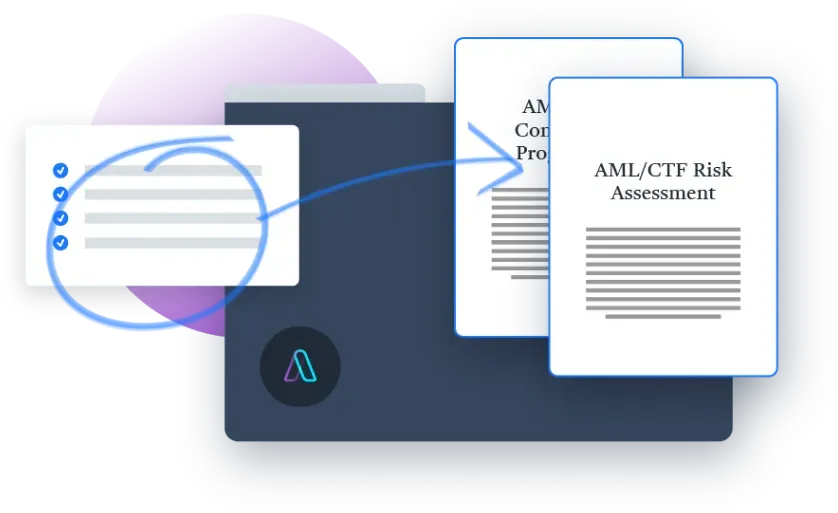
We’re proud to assist small to enterprise-scale businesses across all industry sectors.









What Is an AML Health Check?
An AML health check is a desk-based review of your AML/CTF program and related documentation by an independent AML specialist. We assess your documentation against the requirements of the AML/CTF Act, applicable Rules and relevant AUSTRAC guidance, then provide practical recommendations based on what we find.
A health check is an advisory service and is separate from the statutory independent evaluation required under the current AML/CTF framework. Your AML/CTF policies must provide for independent evaluations at least every three years, or more frequently where appropriate based on the nature, size, complexity and risk profile of your business.
What Does an AML Health Check Cover?
A One AML health check examines your AML/CTF program documentation against applicable regulatory requirements and current AUSTRAC guidance.The scope typically includes
A strong record-keeping framework makesit easier to demonstrate compliance and identify gaps before they become larger problems.
What Are AML Reporting Registers?
Reporting registers are one part of a broader AML/CTF record-keeping framework. Depending on your designated services and compliance program, structured registers or tracking systems can help your business consistently document key compliance activities.
Your business may use registers or structured records to track:
Suspicious Matter Assessments
Records of suspicious matter assessments, including the outcome of each assessment, whether an SMR was submitted to AUSTRAC and the reasoning behind the decision.
Threshold Transaction Reports
Records of TTRs submitted to AUSTRAC, where the TTR obligation applies to your designated services.
International Funds Transfer Instructions
Records of IFTIs reported to AUSTRAC, where applicable to your business and designated services.H3 AML/CTF TrainingRecords of AML/CTF training completed by staff, including relevant training content, dates and participants.
Personnel Due Diligence
Records of relevant employee and contractor screening and vetting checks, including outcomes and completion dates.
Customer Due Diligence
Structured CDD records showing the procedures applied to customers, relevant verification information, beneficial ownership determinations and risk-based decisions.
The specific registers and record-keeping systems your business needs will depend on your designated services, customers, operations and AML/CTF program.
Reporting Obligations to AUSTRAC
Record keeping is only one part of your AML/CTF responsibilities. Depending on the designated services you provide, your business may also have direct reporting obligations to AUSTRAC.
Suspicious Matter Reports
If your business forms a suspicion that a customer, transaction or matter may be related to money laundering, terrorism financing or another relevant offence, an SMR may need to be submitted to AUSTRAC. The reporting obligation is based on the required suspicion, not a confirmed finding of wrongdoing. Tipping-off restrictions also apply.
Threshold Transaction Reports
Where the TTR obligation applies, reporting entities must report relevant cash transactions of $10,000 or more to AUSTRAC, including certain transactions that are aggregated to meet the threshold.
International Funds Transfer Instructions
Certain reporting entities must report IFTIs when sending or receiving relevant international funds transfer instructions, including transfers into or out of Australia.
Annual Compliance Reports
Reporting entities are required to submit an Annual Compliance Report to AUSTRAC each year. The report covers relevant information about the business's AML/CTF compliance and reporting activities.
The reporting obligations that apply to your business depend on the designated services you provide. One AML can help you identify the requirements that apply and establish practical processes for meeting them.
How One AML Helps You Build and Maintain Your Registers
Effective record keeping takes more than creating a spreadsheet. Your registers, records and tracking systems need to capture the information relevant to your obligations and work alongside your broader AML/CTF program.
One AML can help with:
- Building your record-keeping framework: We design and set up the registers, records and tracking systems relevant to your business and designated services.
- Integrating records into your AML/CTF program: We ensure your record-keeping processes align with your policies, CDD procedures, reporting obligations and broader compliance framework.
- Training your team: We provide practical guidance to your AML/CTF Compliance Officer and relevant staff on what needs to be recorded, when and by whom.
- Reviewing and updating your records: As your business, services and obligations change, your record-keeping requirements may change too. We provide ongoing support to help keep your framework current and effective.
Record Keeping and Independent Evaluations
When your AML/CTF program undergoes an independent evaluation, your records provide important evidence of how your program operates in practice. Well-maintained records can help an evaluator understand how your business applies its policies, performs CDD, manages risks, conducts reporting and carries out other AML/CTF activities.
Gaps in records can make it harder to demonstrate that your controls are operating effectively and may identify areas requiring remediation.
Putting the right record-keeping framework in place from the outset can make independent evaluations more efficient and give your business greater confidence in its compliance position.
Common Record Keeping Failures and How to Avoid Them
Common record-keeping issues can include:
Incomplete CDD records
Customer records may be missing relevant verification information, beneficial ownership determinations or documentation of the CDD procedures applied. Records should clearly demonstrate how the required CDD was completed and any relevant risk-based decisions.
Inconsistent SMR documentation
Businesses may submit SMRs but fail to maintain sufficient records of the assessment and reasoning behind the decision. Records should capture relevant assessments, including matters where a suspicion was considered but an SMR was not submitted.
Missing or outdated training records
Training records should clearly show what training was completed, when it occurred and who participated. Keeping these records current helps demonstrate that AML/CTF training requirements are being addressed.
Incomplete personnel due diligence records
Relevant employee and contractor screening should be appropriately documented, including the checks performed, outcomes and completion dates.
Records not retained for the required period
Record destruction and document retention processes should account for the applicable AML/CTF retention requirements. Records should remain accessible for the required period and in an appropriate form.
One AML can help identify record-keeping gaps and establish a practical framework that supports your ongoing AML/CTF obligations.
Who Needs to Meet These Obligations?
Any business that is a reporting entity under the AML/CTF Act must meet the record-keeping and reporting obligations that apply to the designated services it provides. This includes reporting entities across financial services and other regulated sectors, as well as businesses providing qualifying designated services under the Tranche 2 reforms that commenced on 1 July 2026.
Whether you operate in financial services, real estate, law, accounting, conveyancing or another regulated sector, the specific obligations that apply to your business depend on the designated services you provide.
One AML can help confirm the requirements that apply to your business and establish the right record-keeping and reporting processes.
Why Choose One AML?
One AML has helped over 1,000 reporting entities across Australia and New Zealand build and maintain AML/CTF frameworks. Our team understands the practical record-keeping requirements businesses need to manage and the evidence independent evaluators look for when assessing how an AML/CTF program operates in practice.
- Register templates and record-keeping frameworks tailored to your business and designated services
- Practical guidance for your AML/CTF Compliance Officer
- Integration with your broader AML/CTF program
- Ongoing advisory support through our AMLCO Support Services
- 70+ verified Google reviews
We’re qualified to consult for all Phase 1 and 2 reporting entities across Australia.

Accounting

Financial Services

Law

Other Captured Sectors

Real Estate

Virtual Assets / Crypto
Find Out Where Your AML/CTF Program Really Stands
An AML health check gives you an independent view of your program and a practical roadmap for improvement. Whether you are newly regulated, preparing for an evaluation or simply want greater confidence in your existing framework, One AML can help you identify what needs attention and what to do next.
Ready to be free of your AML/CTF
compliance stress?

